
A Culinary and Cultural Experience in Abidjan, Ivory Coast

Shangri-La Barr Al Jissah, a resort located in Muscat, Oman
Best Things to Do in Oman: An Often Overlooked Jewel of Arabia
October 9, 2025
Show all
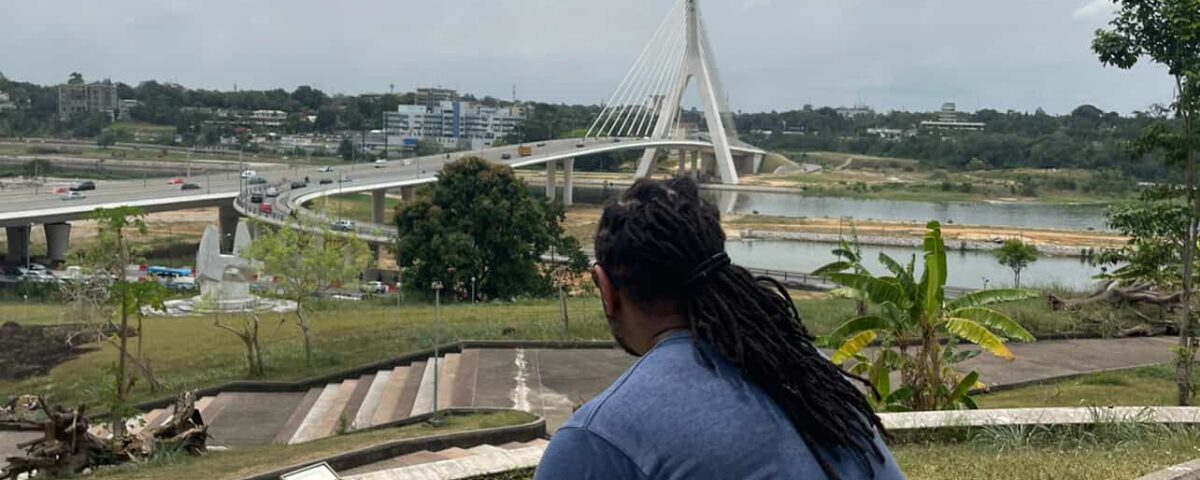
Traveler sitting and overlooking the city of Abidjan from St. Paul’s Cathedral

A quiet moment overlooking Abidjan from the rear of St. Paul’s Cathedral.

Abidjan doesn’t introduce itself quietly. It greets you through sound, spice, movement, and an energy that feels both immediate and deeply rooted. My culinary and cultural experience in Abidjan wasn’t about finding the “best” restaurant—it was about understanding how food, community, and hospitality come together to shape daily life in Ivory Coast. I hit the streets, stalls, and markets with curiosity and intention, choosing to experience Abidjan at ground level rather than from a distance.

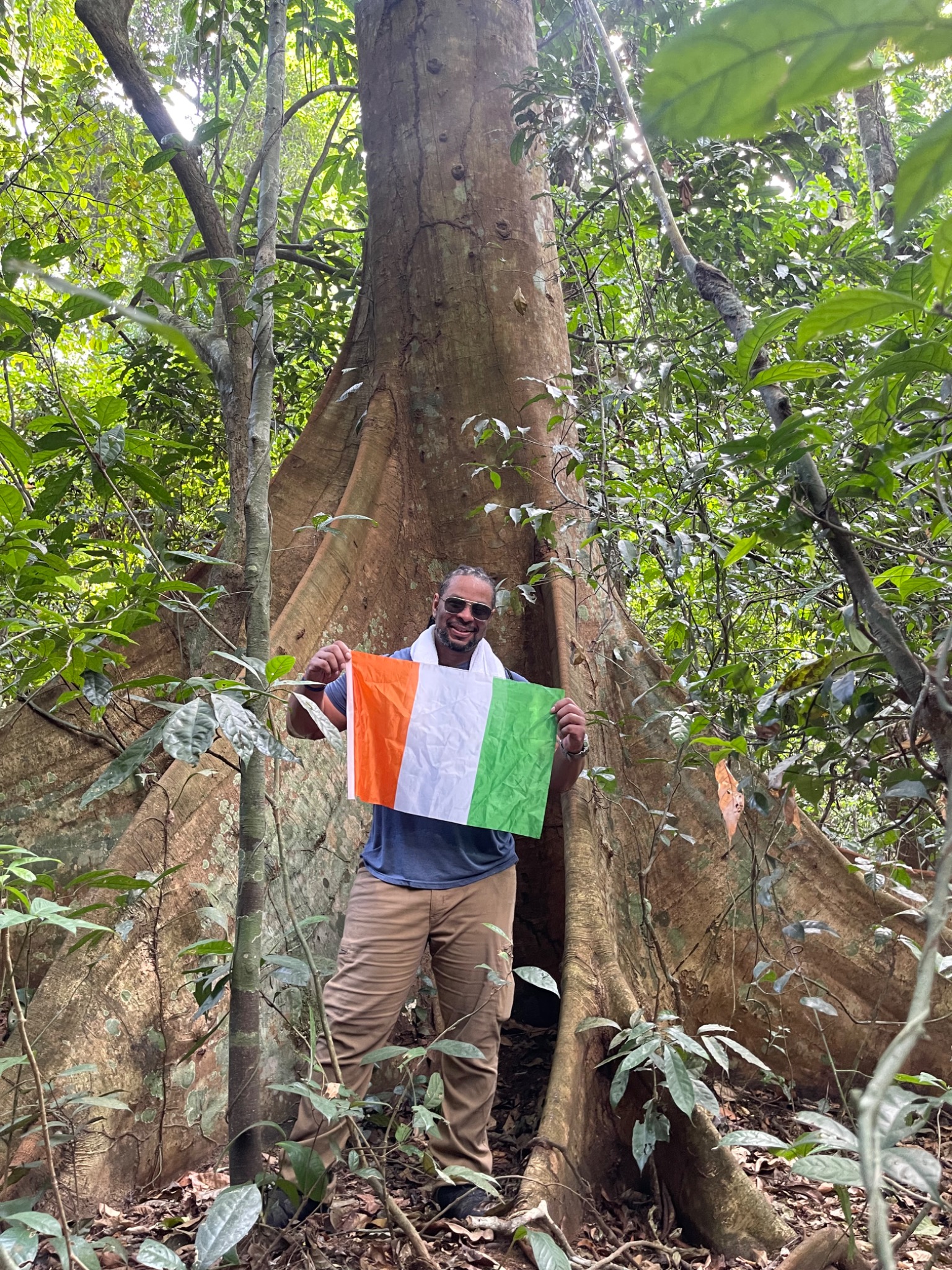
Traveler standing at the base of a large tropical tree in Banco National Park, Abidjan, holding the Ivorian flag

Standing in Banco National Park, where the stillness of the forest offers a grounding contrast to Abidjan’s constant motion.

Finding Balance in the Heart of the City

Banco National Park sits at the center of Abidjan like a pause button — a stretch of protected rainforest where the city’s constant motion fades almost immediately. Stepping beneath the canopy, the noise of traffic and conversation gave way to birdsong, filtered light, and the quiet rhythm of walking.

Moving through the forest felt grounding in a way that’s hard to manufacture. The air was heavier, the pace slower, and the experience demanded presence rather than attention. It was a reminder that Abidjan isn’t only defined by energy and movement, but by balance — a city where stillness and intensity exist side by side, each sharpening your awareness of the other.

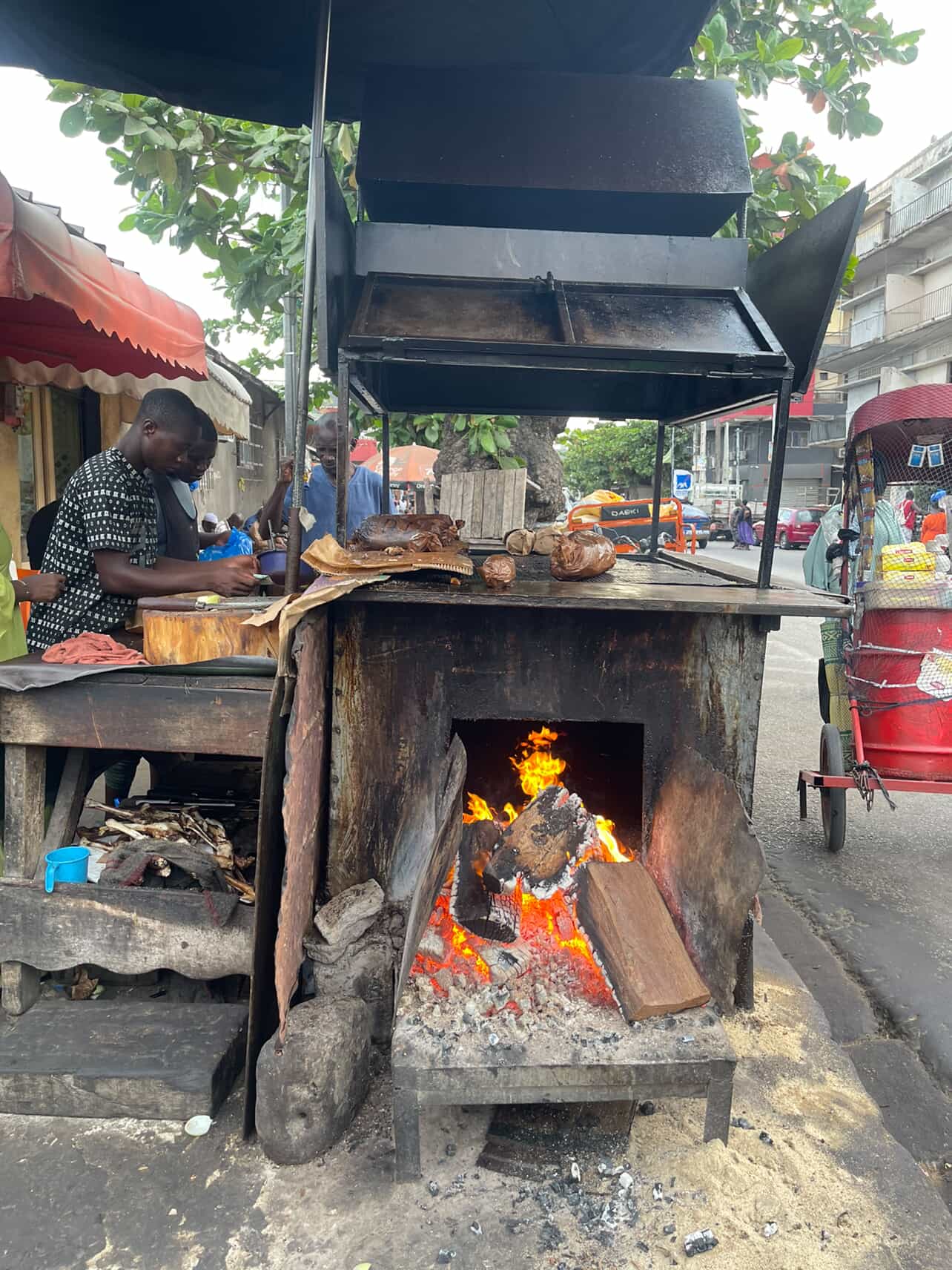
Street food vendor cooking meat over an open wood fire at a roadside grill in Abidjan

Street food vendor cooking meat over an open wood fire at a roadside grill in Abidjan

The Markets: Where the City Moves

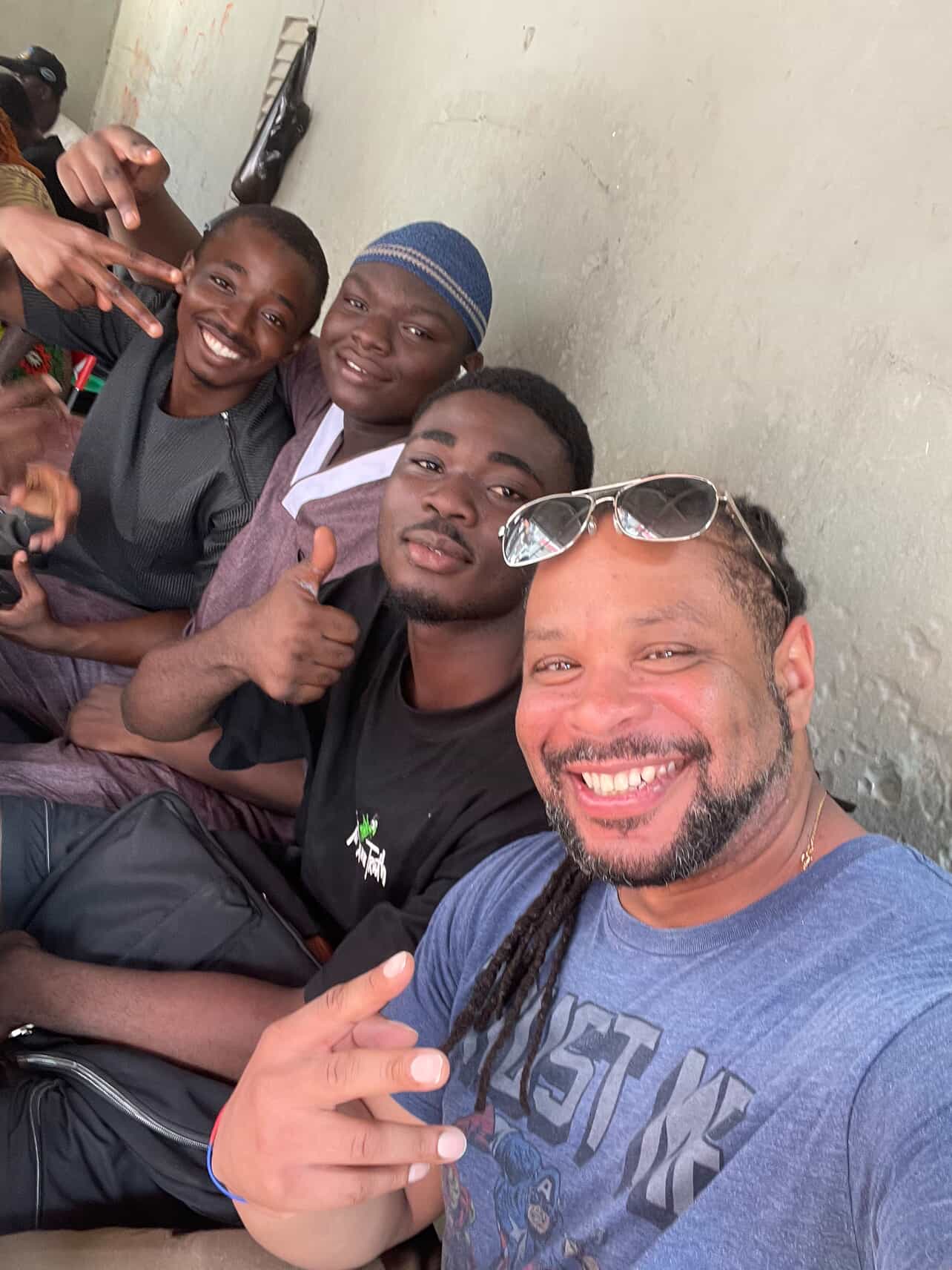
Traveler eating with locals

Enjoying my first meal of the day with new-found friends!

What followed was less a plan and more a progression. From the quiet contrast of Banco National Park to the movement of open-air markets, from food prepared patiently over open flame to meals shared without ceremony, each moment offered a deeper entry into the city. In Abidjan, food isn’t presented for visitors — it’s lived openly, and (as you can see from the image above) participation is the invitation.

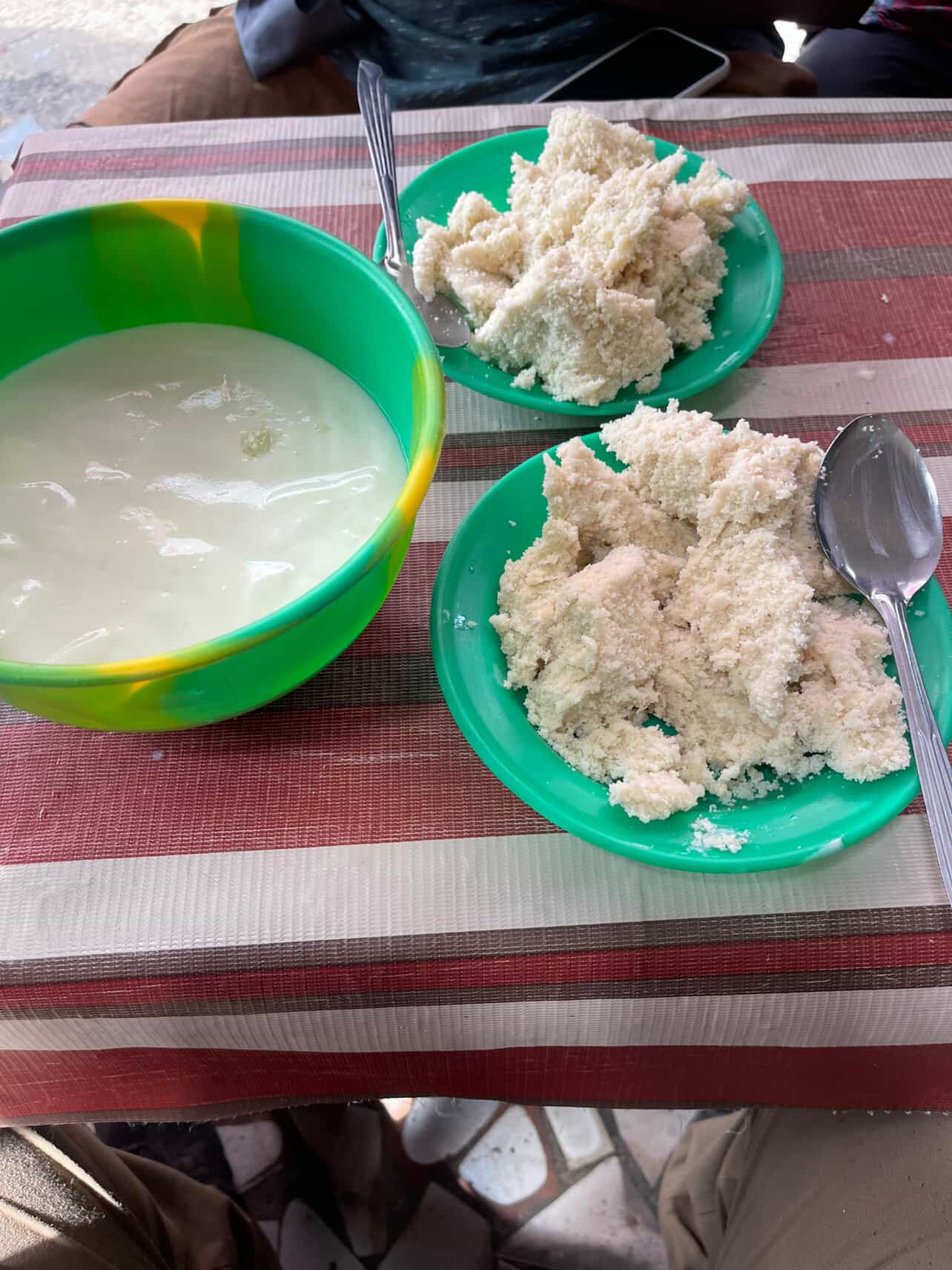
A bowl of Attiéké + sauce claire

Image of that aforementioned meal: Attiéké + sauce claire

The markets are where Abidjan’s rhythm becomes impossible to ignore. They aren’t staged or slowed down for visitors — each one moves at its own pace, shaped by routine, negotiation, and familiarity. Across different neighborhoods, stalls overflow with produce, dried fish, spices, and cassava in various forms, each item signaling its role in daily life rather than novelty.
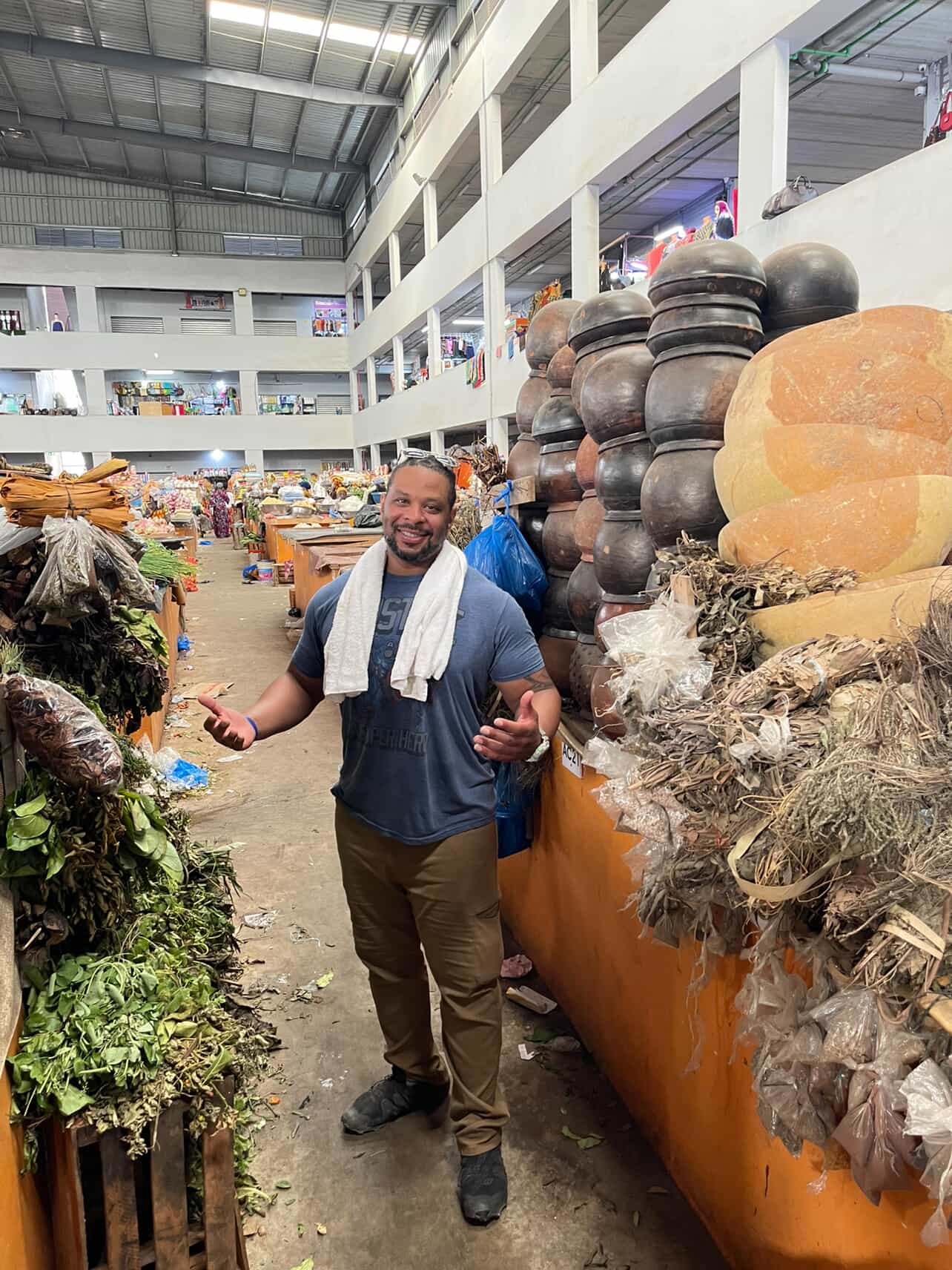
Traveler walking through an indoor market in Abidjan lined with herbs, pottery, and traditional goods

Moving through an indoor market in Abidjan, where everyday ingredients and traditions shape daily life.

What stood out wasn’t just what was being sold, but how people moved through these spaces. Conversations overlapped, transactions unfolded quickly, and relationships seemed to matter as much as exchange. These weren’t places you passed through casually; they demanded attention and awareness, rewarding curiosity with context.
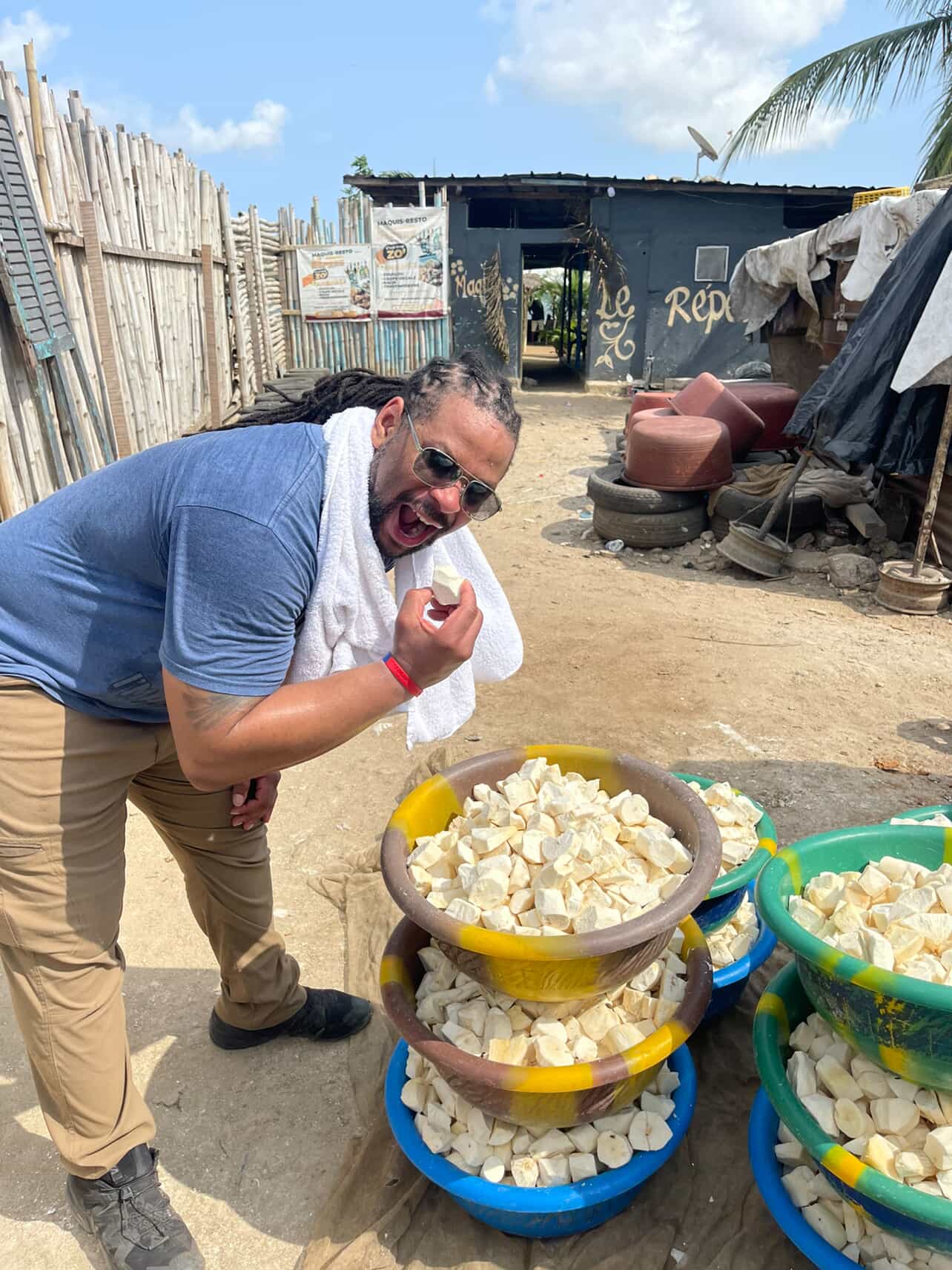
Traveler tasting freshly cut cassava at a local market in Abidjan

Sampling fresh cassava at the market — a small moment of participation in everyday food culture.
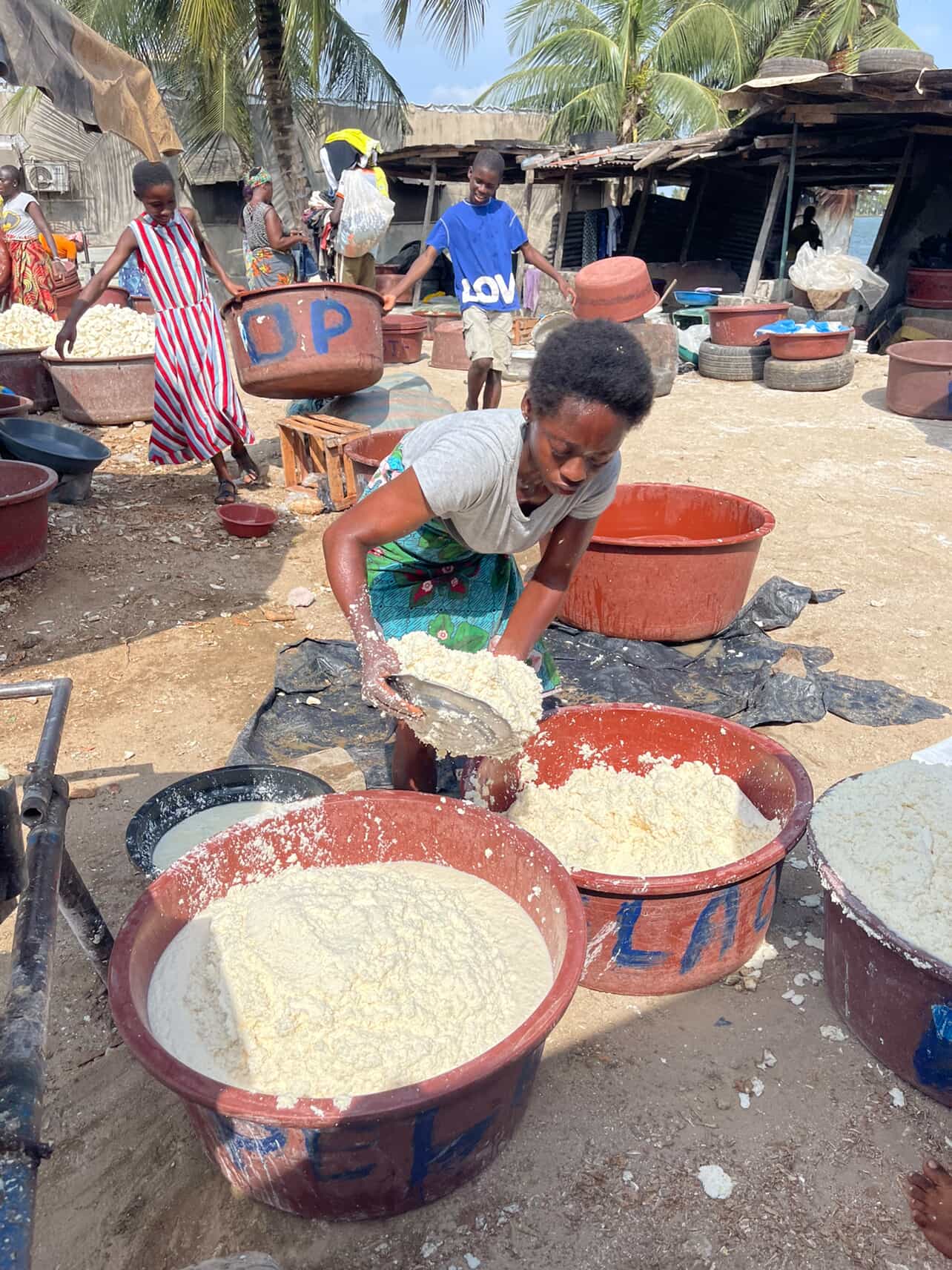
Woman preparing cassava by hand in large basins at an open-air market in Abidjan

Preparing cassava by hand — a daily process rooted in tradition and routine.

Cassava appeared again and again, prepared and presented in ways that spoke to its importance beyond the plate. It’s a foundation — practical, adaptable, and deeply rooted. Watching it change hands, get measured, discussed, and prepared offered insight into how food functions here: not as performance, but as connection.

Moving between markets made it clear that to understand Abidjan, you have to meet it at foundation level. This is where the city reveals itself most honestly — in motion, in conversation, in smiles and in the everyday exchanges that shape life long before anyone sits down to eat.


“The places that change us most rarely announce themselves; they reveal themselves slowly, through how we’re invited to participate.”


Why Abidjan Stays With You

Abidjan isn’t a city that asks to be observed from a distance. It asks to be met — through shared space, shared food, and the simple act of showing up with respect and curiosity. What made this experience meaningful wasn’t a single meal or market, but the way each moment built on the last, offering a deeper sense of how daily life unfolds here.
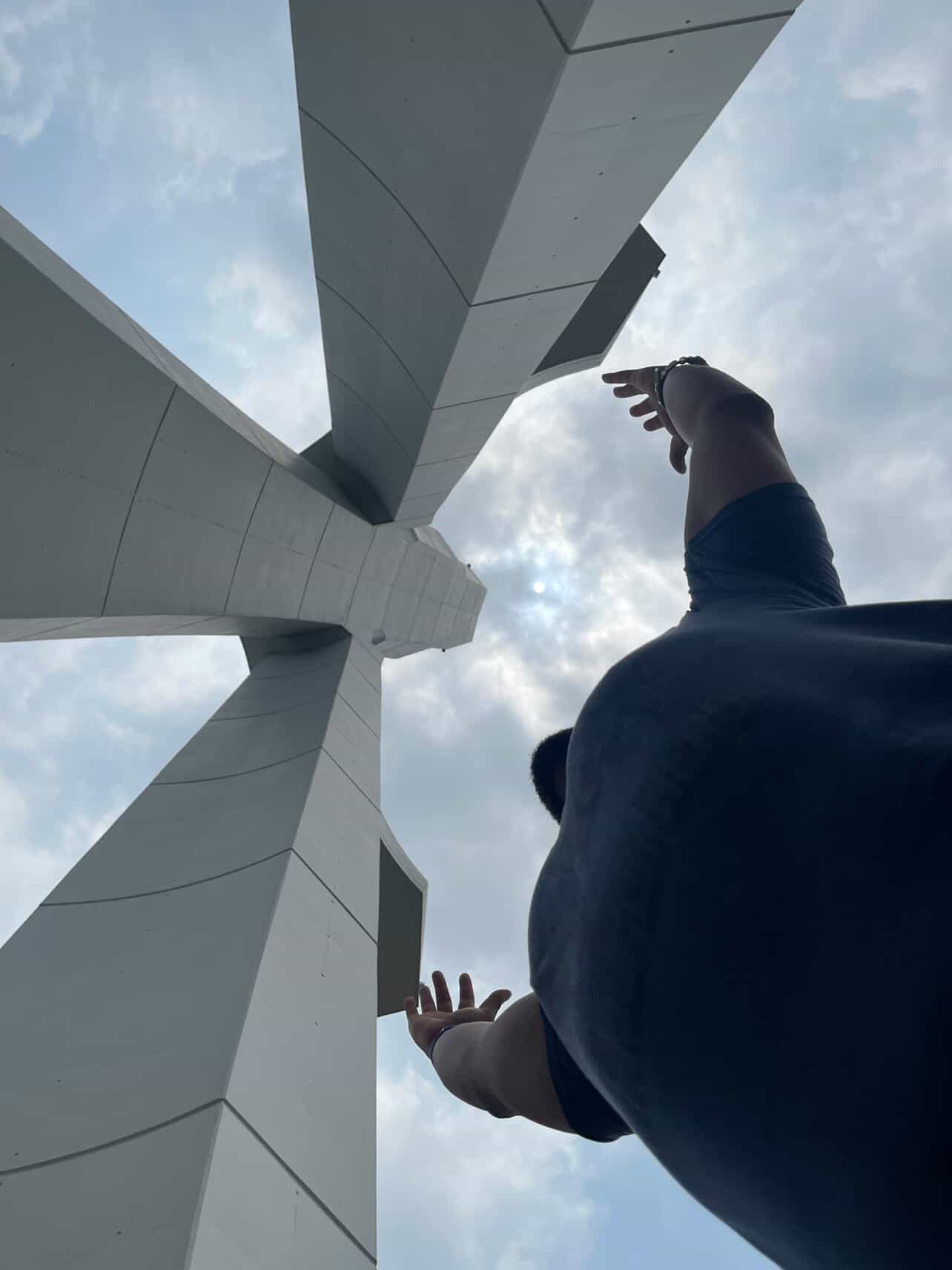
Traveler standing beneath the cross structure of St. Paul’s Cathedral in Abidjan, arms raised upward

Looking upward beneath the cross structure of St. Paul’s Cathedral with arms wide open.

For travelers willing to slow down and engage, Abidjan offers something rare: a city where culture isn’t curated for visitors, but lived openly and confidently. Food becomes more than sustenance — it becomes a bridge, a language, and an invitation into community.

I arrived curious and left grounded, reminded that the most memorable travel experiences aren’t about seeking out highlights, but about paying attention to what’s already there. Abidjan doesn’t perform. It welcomes.
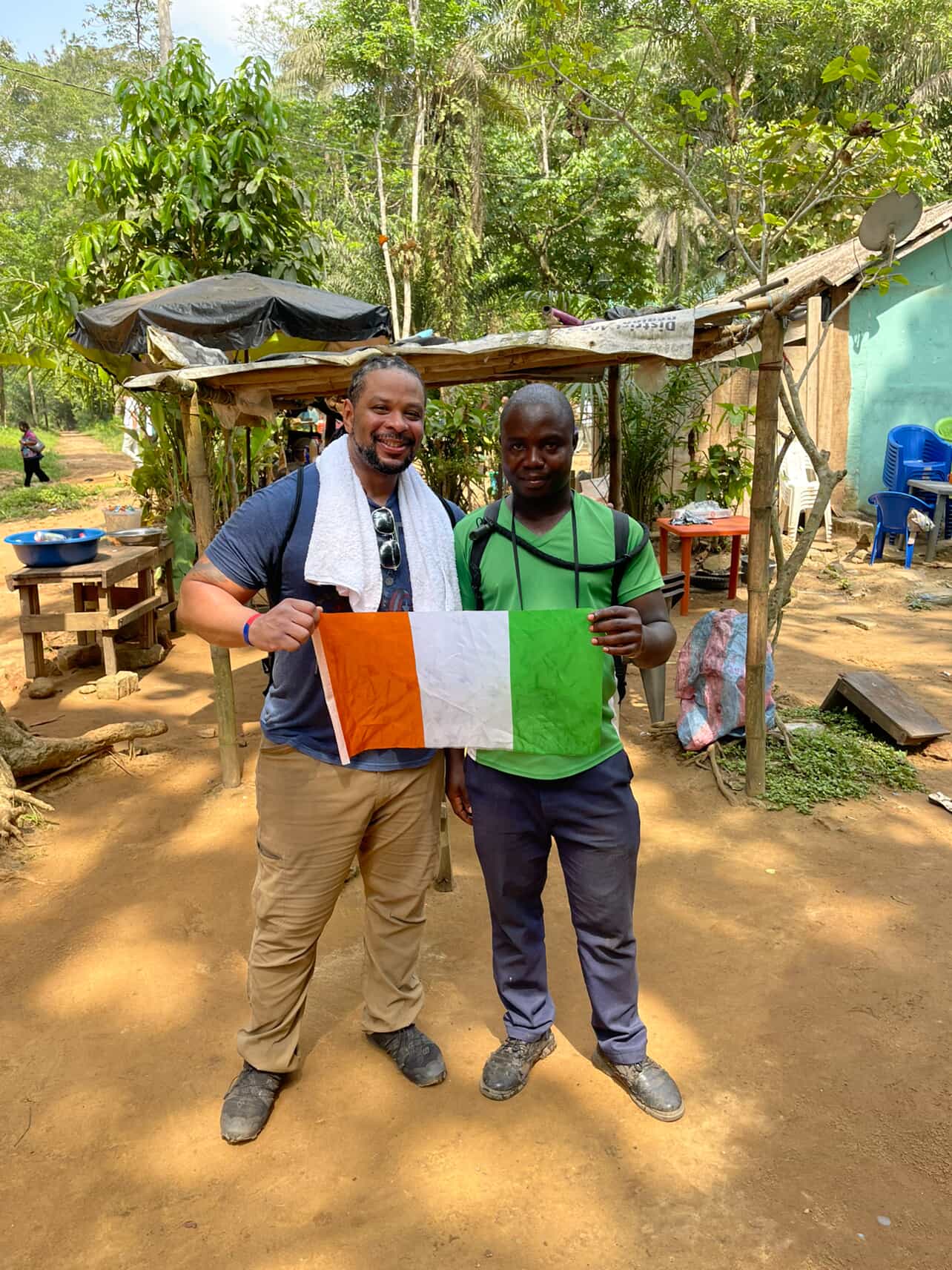
Traveler and local guide standing together in Banco National Park, Abidjan, holding the Ivorian flag

Ending the journey where it began — grounded in place, people, and connection.

Have you experienced a place that invited you to participate rather than observe?

Leave a Reply

Your email address will not be published. Required fields are marked *